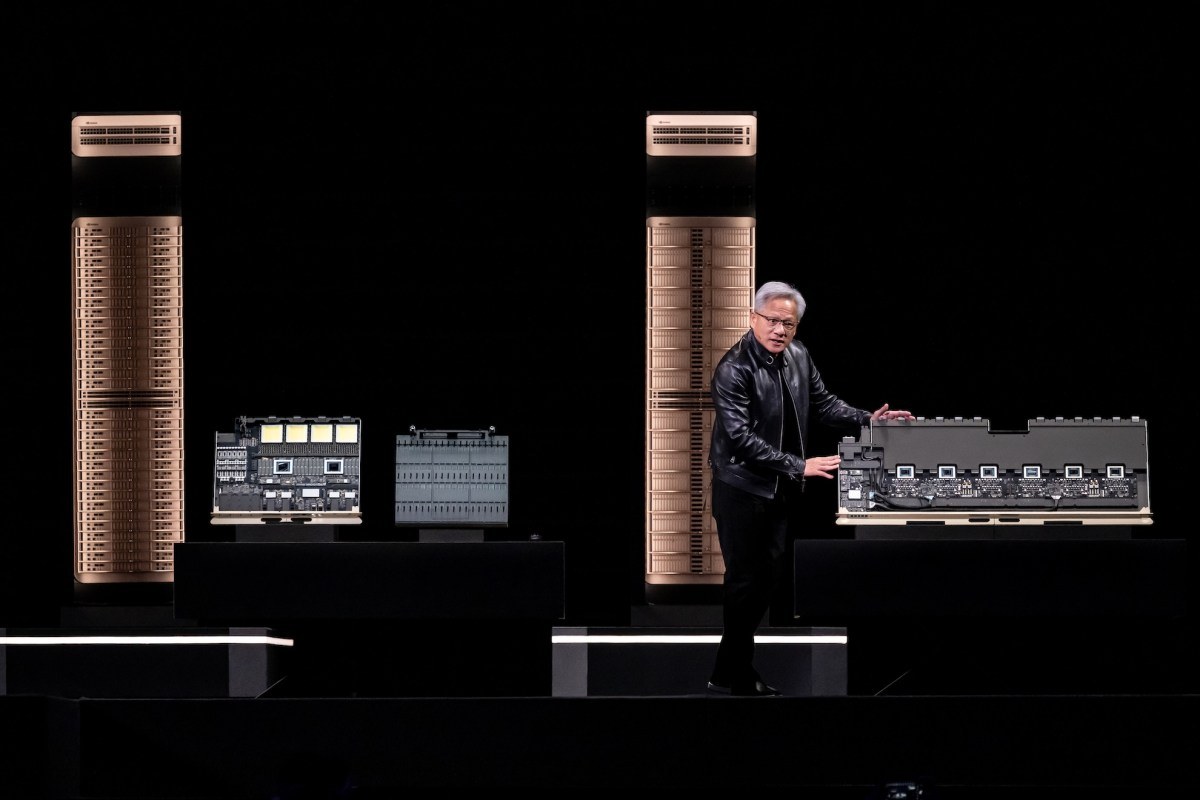
Amazon is adding two million Nvidia GPUs to its AWS fleet for delivery across 2027 and 2028, tripling down on the merchant chipmaker just five months after securing an initial order of over one million processors. The multi-billion-dollar commitment spans Blackwell Ultra, Rubin, and Rubin Ultra architectures, paired with Nvidia's new Vera CPUs. Announced during Nvidia's quarterly earnings call, the deal reflects enterprise and sovereign AI compute demand that has outpaced internal forecasting.
The scale of this procurement underscores a stark infrastructure reality: in-house silicon cannot shield hyperscalers from customer lock-in. AWS AI chief Peter DeSantis recently confirmed discussions to sell proprietary Trainium chips directly to external data centers, pointing to an in-house hardware business with a $25 billion annualized run rate backed by enterprise commitments. Yet to prevent market share losses to Microsoft Azure and Google Cloud, AWS has little choice but to balloon capital expenditures on third-party silicon.
While custom processors like Trainium and Inferentia optimize internal workloads and long-term margins, they do not resolve immediate enterprise capacity deficits. The corporate market remains deeply anchored to Nvidia's CUDA ecosystem, networking stack, and software toolchains. For executive leadership, the takeaway is unambiguous: proprietary ASICs will continue to coexist with merchant hardware rather than displace it, keeping hyperscaler margins tethered to Nvidia's pricing power for years to come.