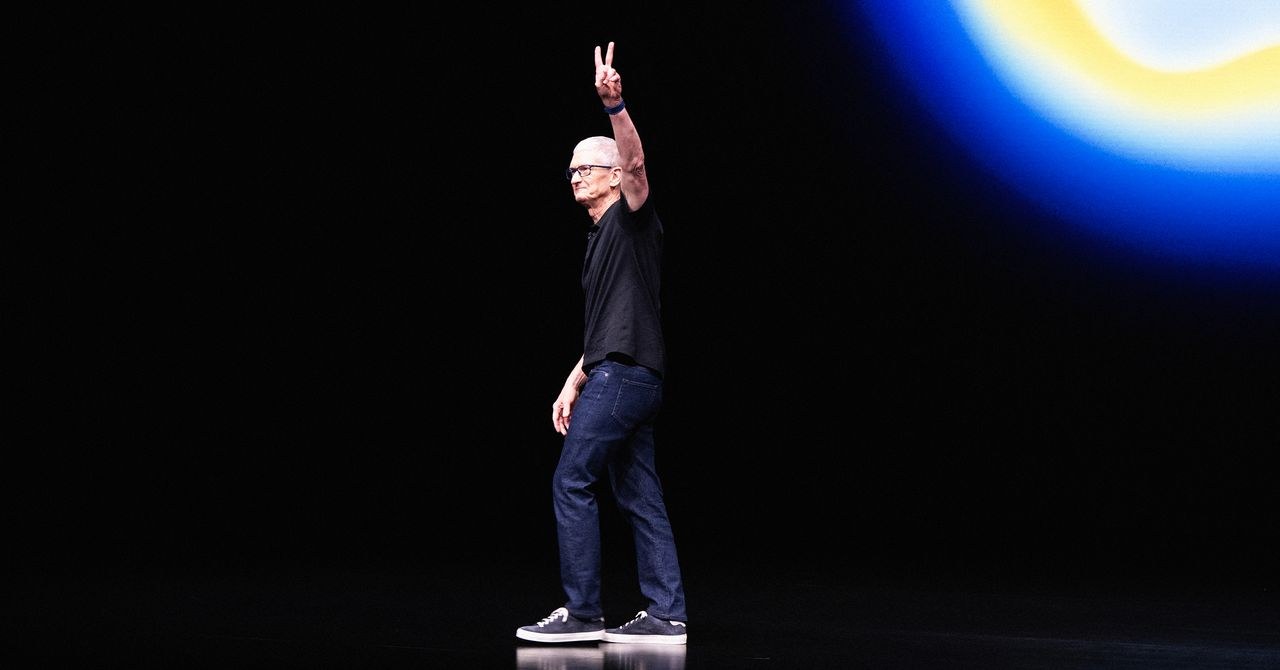
The era of financial optimism and squeezing profits from supply chains is officially over. Tim Cook is moving to the position of executive chairman, leaving Apple in a state of technological catch-up. John Ternus, who previously led hardware engineering, has been appointed the new CEO. This rotation is not just a change of guard, but a capitulation to reality: Apple is widely perceived as a laggard in the advanced AI race against Big Tech competitors and is now trying to save the situation through vertical integration and proprietary hardware.
While Cook inflated capitalization from $350 billion to an incredible $4 trillion, operational excellence became an end in itself. Today, Apple's AI efforts look like an attempt to jump on the bandwagon of a departing train. A key player in the new structure is Johny Srouji, who received the post of Chief Hardware Officer. Srouji has been instrumental to the company's development of custom computer chips. The bet is being placed on local processing, turning the chip into the brand's last line of defense.
Cook's legacy is contradictory: growth in service revenue to $30 billion a quarter and the expansion of accessories (Apple Watch and AirPods) coexist with the failure of the self-driving car project and the lukewarm reception of the Apple Vision Pro. Cook's geopolitical flexibility, manifested in maneuvering between Chinese factories and a $1 million donation to Trump's inauguration festivities, no longer guarantees the loyalty of 2.5 billion users. In a world where the ecosystem is becoming secondary to the capabilities of AI agents, Apple's hardware shackles may begin to rust.
Editorial Verdict: The appointment of Ternus to the post of CEO is an official recognition of the challenge on the software field. Apple is trying to move the game to the territory of energy-efficient chips and local computing, hoping that control over silicon compensates for the deficit in algorithmic ideas. If the tandem of Ternus and Srouji does not deliver results quickly, the vaunted "closed system" could quickly turn into an antique shop against AI-native competitors.