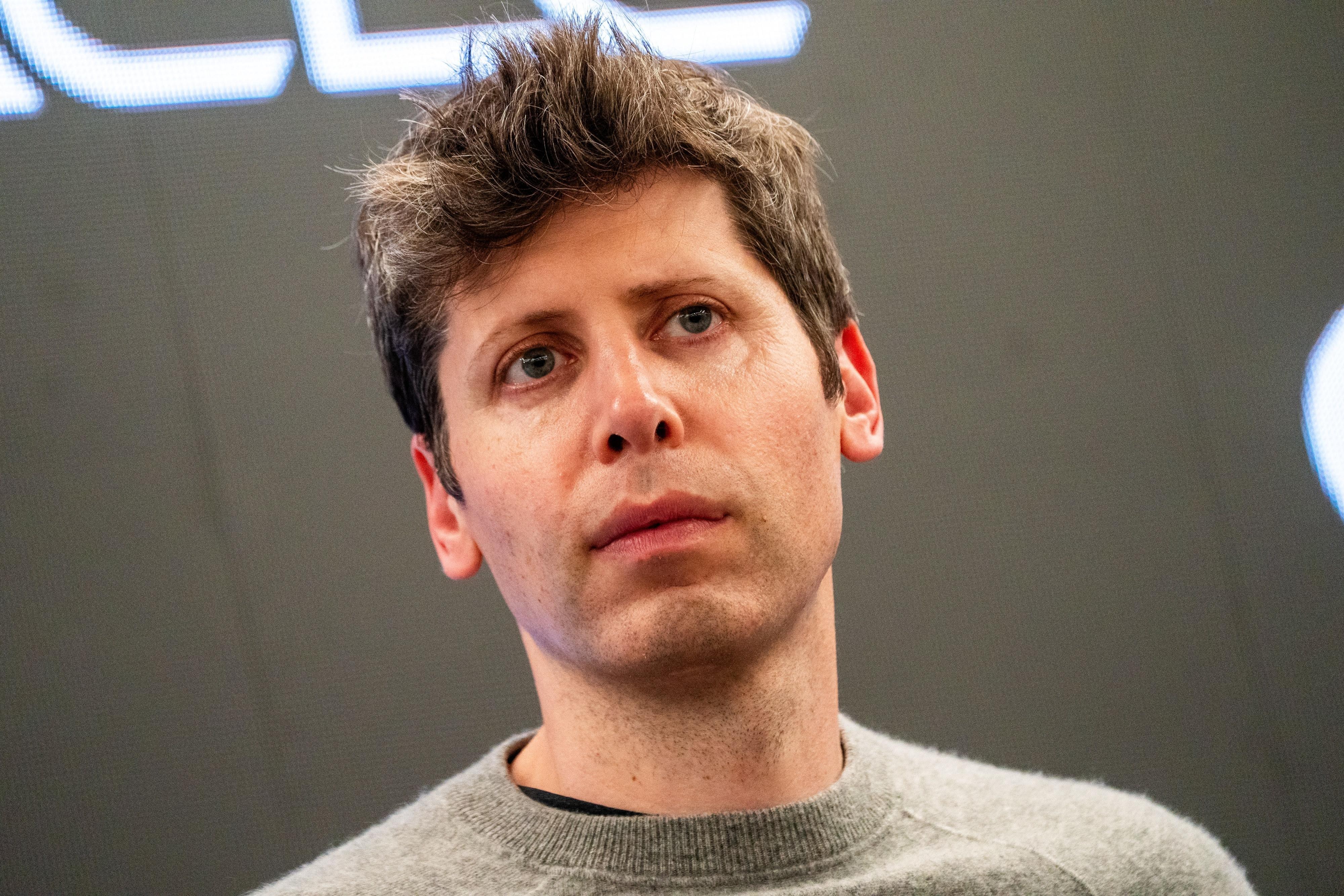
Apple has officially launched a legal carpet-bombing campaign against OpenAI, filing a 41-page lawsuit alleging the systematic theft of hardware secrets. At the heart of the scandal is Tang Tan, the former Vice President of Apple Watch, who now leads hardware efforts at Sam Altman’s startup. According to Cupertino, Tan transformed job interviews into industrial espionage sessions: candidates were allegedly required to bring prototypes and components of unreleased Apple devices to interviews for so-called "demonstrations."
OpenAI's methods, according to the lawsuit, resemble intelligence agency tactics rather than standard Silicon Valley practices.
Engineers were reportedly coached on how to bypass security protocols. Former iPhone systems engineer Chang Liu allegedly kept his corporate laptop after resigning and exploited a network storage vulnerability to download confidential specifications for several weeks. Internal correspondence confirms the level of cynicism involved: upon discovering the loophole in Apple’s network, Liu messaged his accomplice Yu-Ting Peng, "LOL, I found access to the storage, so funny," to which Peng succinctly replied, "I'm ready."
Market and Industry Implications
This litigation signals the end of the era of "civilized" hiring. Apple claims that OpenAI didn't just poach talent, but deceived trusted partners into revealing proprietary design methods and used insiders to monitor the progress of secret products. It is increasingly clear that as AI models are integrated into consumer gadgets, the war for talent has devolved into a hardline legal defense of the hardware stack.
Apple no longer intends to tolerate OpenAI building its future hardware empire on a stolen foundation. Any employee move between these giants will now be scrutinized under a legal microscope. The practice of "bringing a prototype to an interview" could cost OpenAI significant reputational damage and massive intellectual property settlements.
Apple’s stance is uncompromising: the company intends to protect its R&D through every available legal avenue, cutting off competitors' attempts to gain an advantage through insider information.
OpenAI AI Regulation Cybersecurity AI Chips Apple