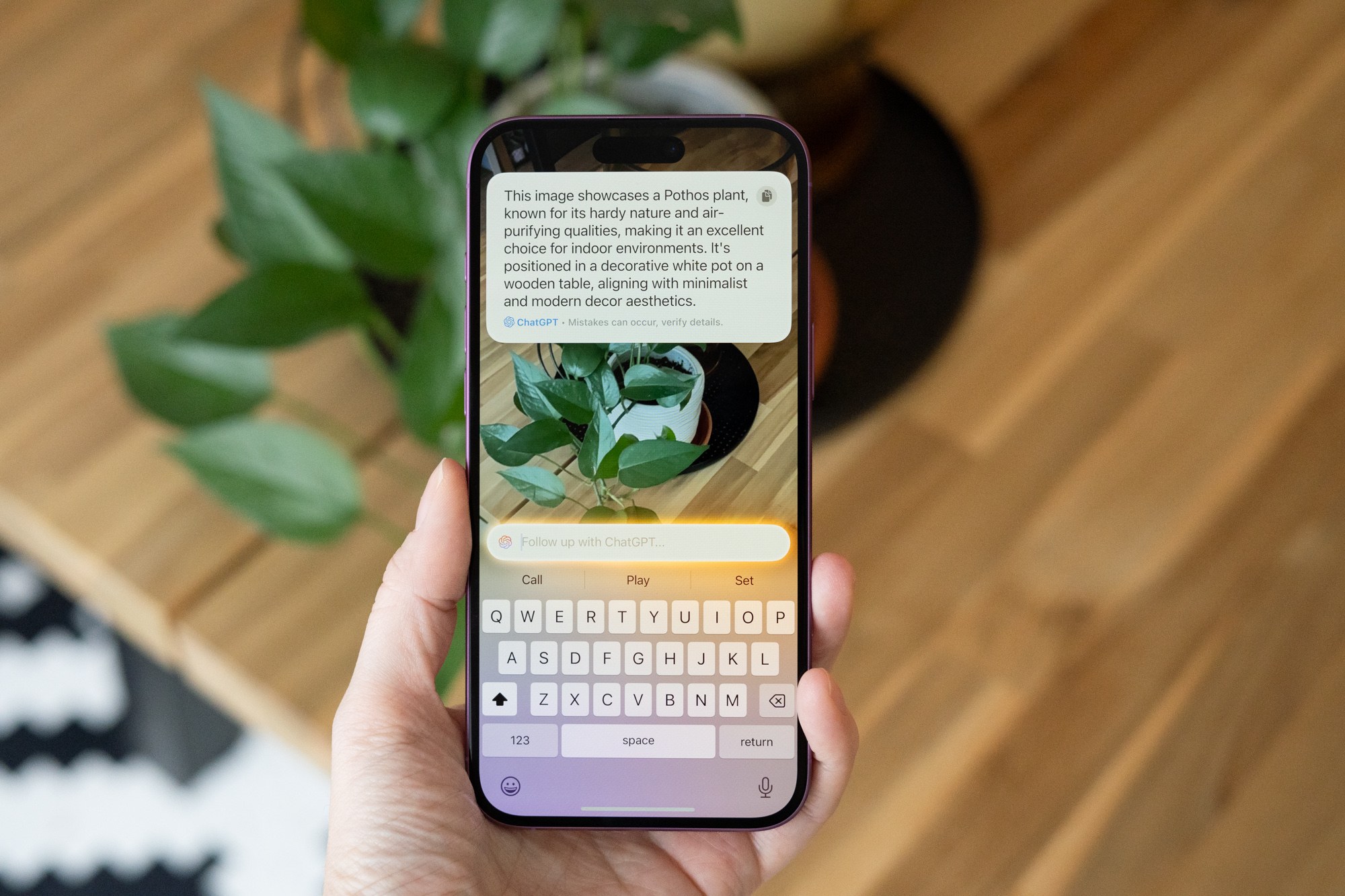
Apple appears to be opting for the path of least resistance, scaling back ambitions to build its own proprietary AI engine. Instead, according to Bloomberg leaks, iOS 18 will feature a new 'Extensions' functionality. The core idea is straightforward: third-party developers, including major players like Google with Gemini and Anthropic with Claude, will be able to integrate their AI models directly into Siri. This suggests that instead of a single, pre-determined Apple AI, users could potentially choose which AI answers their queries. This is the theoretical promise, at least. In practice, this move aligns with Apple's classic strategy: first, attract a massive user base to its platform, and then dictate terms for how others earn revenue on it. It is unsurprising that a company known for maintaining tight control is choosing the role of a distributor rather than becoming a direct competitor in the race for AI capabilities.
Translating this from PR-speak into plain business terms, Apple is no longer striving to construct its own AI empire from scratch. The company's logic seems to be: why build it when you can simply become the primary gateway for existing solutions? The vast iOS user base, numbering in the billions, will now potentially be accessible to Gemini and Claude. This sounds highly appealing, but the devil is in the details, specifically concerning monetization. When leading AI models become mere 'extensions' within another company's operating system, which controls user access, a crucial question arises: where is the profit for the developer? This is a familiar scenario: the platform captures the lion's share of revenue, while those who contribute content and functionality are left with promises of future success and meager compensation.
The competition for voice assistants is shifting from a contest of "who is smarter" to "who integrates better into the Apple ecosystem." Development teams will now compete not to make their AI the most advanced, but to ensure it is not sidelined in the next iOS update. While the opportunities for distribution are substantial, the direct financial benefit for those investing millions in AI development remains unclear. Apple, as is its custom, excels at constructing systems where all revenue streams ultimately flow into its coffers.
For executives, this move signifies that Apple is positioning itself not as a direct participant in the large language model arena, but rather as a conductor of an orchestra. Future competitive advantages in AI assistants will be determined not solely by technological prowess but also by the depth of integration with key platforms. If your company is developing an AI solution that could potentially work through Siri, prepare for negotiations focused on revenue sharing rather than full operational independence. As a consumer, your iPhone may soon respond not only with Apple's native voice but also with the voices of Google or Anthropic. The critical factor will be whether this choice is genuine or merely a marketing ploy.