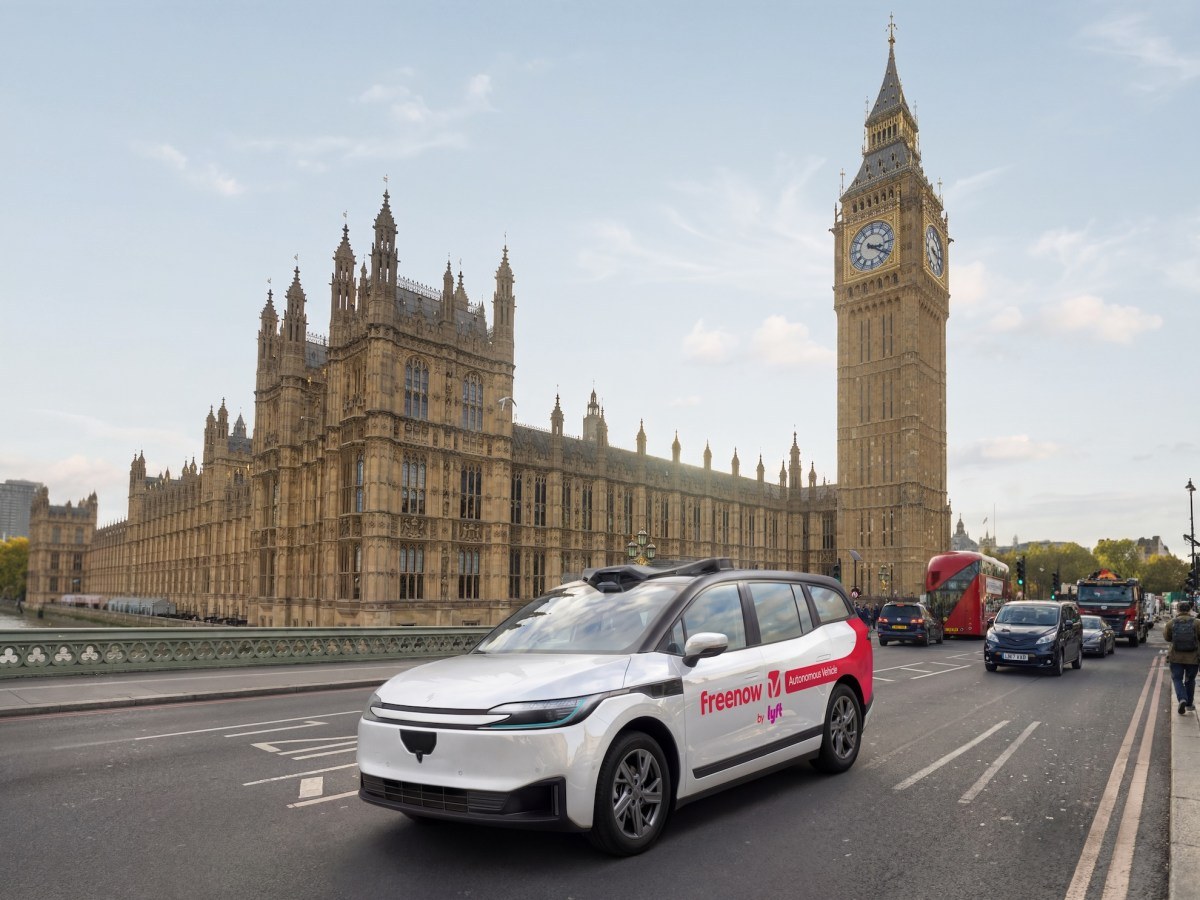
Chinese tech giant Baidu has officially deployed in London, initiating trials of its Apollo Go RT6 autonomous vehicles. As the United States fortifies its digital markets, the UK is emerging as the ideal proving ground for a "quiet" expansion of Chinese software. Baidu’s strategy is a masterclass in navigating geopolitical friction: rather than building infrastructure from scratch and attracting regulatory heat, the company has entered the market through a partnership with Lyft and its subsidiary, Freenow. According to TechCrunch, the project has launched in the Brent district, currently operating with safety drivers behind the wheel.
The economics of this maneuver are as pragmatic as they are efficient. Following Lyft's $197 million acquisition of Freenow in 2025, it established a ready-made network into which Baidu simply "plugs in" its vehicles as modules. This is a classic case of risk outsourcing: Baidu is minimizing the capital expenditure required to enter Europe by leveraging someone else’s balance sheet and established user base. While Alphabet’s Waymo has been courting British loyalty since April, and Uber and Wayve are still building waitlists, the Chinese firm plans to create a hybrid network where robotaxis operate alongside traditional human drivers.
London’s chaotic streets are a far cry from the sanitized highways of California. The Apollo Go RT6 trials will serve as a high-stakes stress test for Chinese algorithms within dense European urban environments. While Baidu maintains diplomatic dialogues with Transport for London and the government’s Centre for Connected and Autonomous Vehicles (CCAV), the goal is a full-scale commercial launch by 2027. In this scheme, the UK acts as a pragmatic "grey zone," allowing Chinese AI fleets to gain a foothold in the West. While politicians debate tariffs, Baidu is simply embedding itself into an ecosystem that Western Big Tech spent years building. The logic is simple: if the front door is barred because of your passport, enter through the app already installed on every second Londoner’s phone.
Key points
Baidu has commenced testing its Apollo Go RT6 autonomous vehicles in London’s Brent district. A partnership with Lyft and Freenow allows the Chinese company to utilize an existing customer base and infrastructure. A full commercial rollout of the autonomous service is scheduled for 2027.
«If you can't enter through the front door due to your passport, enter through the app that is already installed on the phone of every second Londoner.»
Strategic context
The UK is becoming a vital bridgehead for Chinese AI amid increasing restrictions in the US market. The hybrid operational model involves the simultaneous use of robotaxis and human drivers. London's complex traffic environment serves as an ideal laboratory for testing the resilience of computer vision algorithms.