The aggressive surge in power demand from AI infrastructure has collided squarely with equipment supply limits. Data center operators are snapping up every available gas turbine to guarantee uninterrupted power, instantly distorting infrastructure costs. Such procurement sprees inflate prices across the entire utility sector, while manufacturers simply cannot keep up with demand. Open-cycle gas turbines, traditionally deployed for peak loads, now carry delivery lead times of two to four years.
The situation with more efficient closed cycles presents an even steeper challenge for long-term planning. Waitlists for closed-cycle turbines now extend into the early 2030s, creating severe bottlenecks for new power plant construction. As Wood Mackenzie notes, the energy crisis and runaway AI consumption are forcing operators to seek fossil-fuel alternatives not out of environmental altruism, but under the brutal math of capital expenditure.
Storage Economics Shift the Global Balance
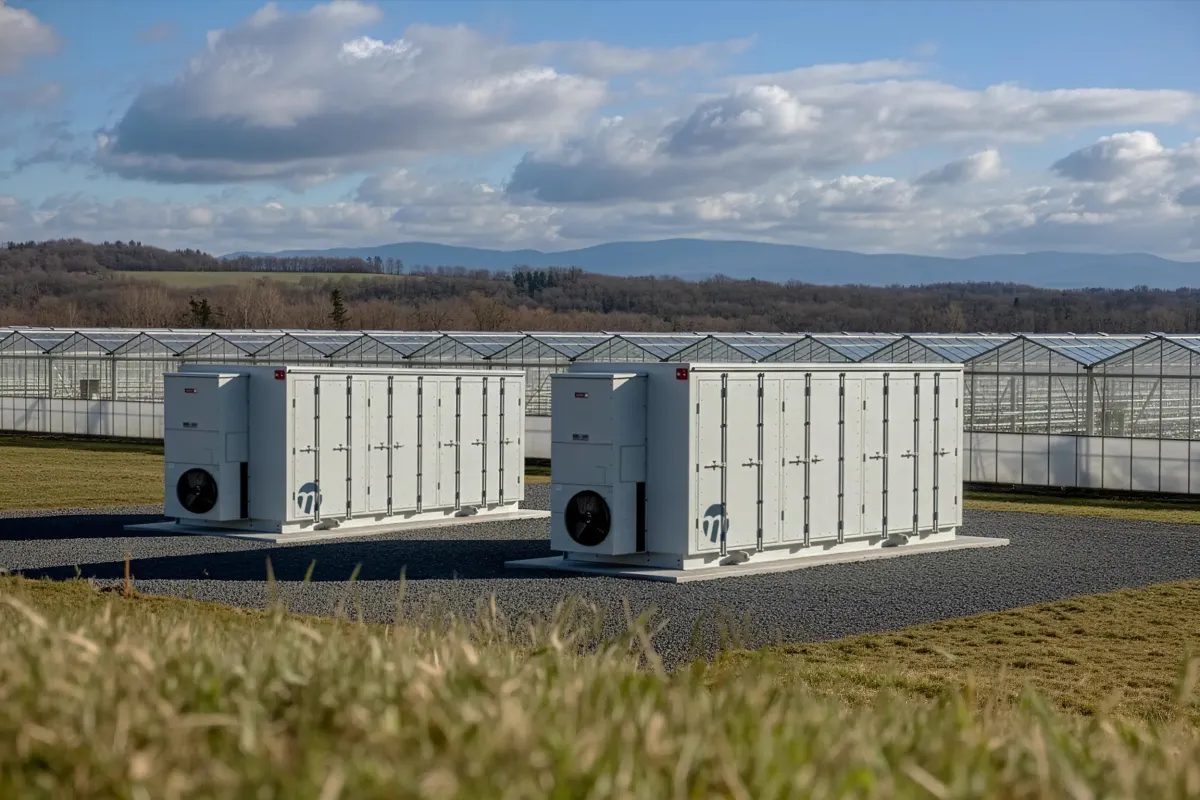
Against this backdrop of turbine scarcity, the economics of energy storage have transformed radically. Four-hour battery energy storage systems have become cheaper than open-cycle gas turbines across all 43 global markets studied by Wood Mackenzie, shifting payback calculations for major infrastructure projects worldwide.
This economic shift is decisive and widening.
Analysts project further declines in battery storage costs alongside rising resource expenses for gas turbines over the coming decades. In the Middle East and Africa, four-hour batteries will drop by 33% in cost by 2035, undercutting gas peaker plants everywhere in the region. Meanwhile, Chinese energy storage costs sit 55% below neighboring territories, handing local players a massive structural CAPEX advantage.
Solar Generation Faces Regulatory Hurdles
Solar remains the cheapest source of new energy in every studied market, yet deploying these capacities invites regulatory friction capable of upending corporate operational models.
Solar prices are under pressure from tariffs and import restrictions, according to Wood Mackenzie, though utility-scale solar is expected to fare better. In North America, large-scale projects remain insulated from price shocks thanks to legislative carve-outs. There, 168 gigawatts of capacity are shielded from immediate fallout by provisions in the One Big Beautiful Bill, preserving tax credits for projects that break ground or finish before the end of 2027.
It reads as a stark warning for leadership teams: whoever relies solely on traditional supply chains while trade restrictions tighten will find themselves paying a heavy premium for every gigawatt.