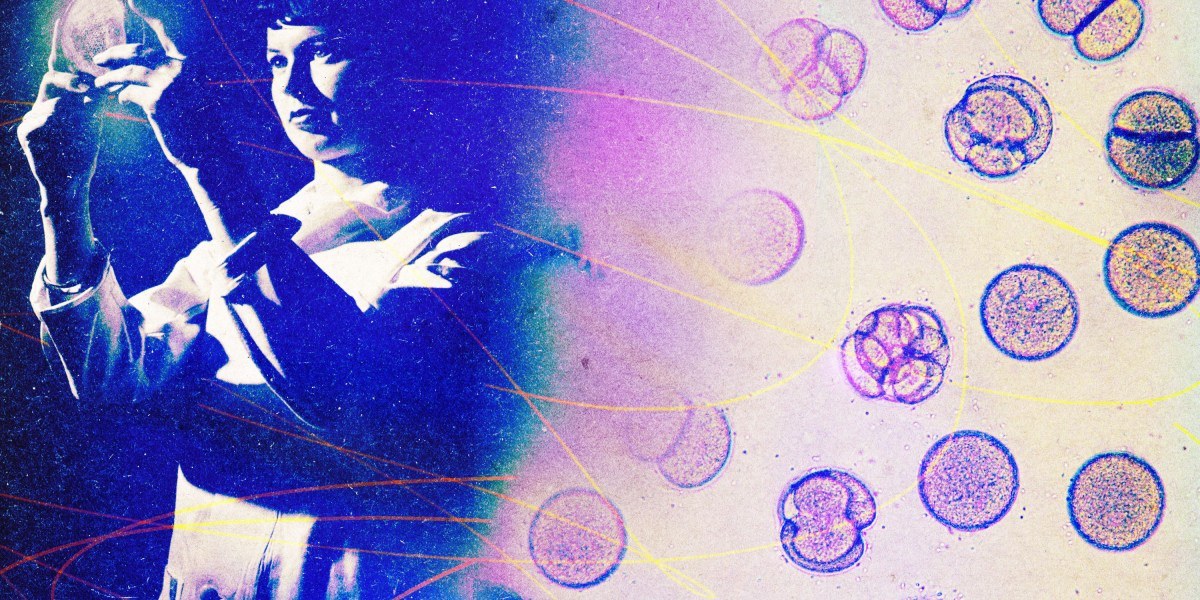
Biotech firm Insilico Medicine aggressively marketed its pulmonary fibrosis candidate as a breakthrough entirely generated by artificial intelligence. Yet when it came to securing patent protection, the company took a decidedly traditional route: its key filing names five human inventors led by CEO Alex Zhavoronkov, omitting AI systems altogether. This stark contrast highlights a looming legal trap for the biopharma sector, where marketing hype around autonomous machine discovery directly collides with intellectual property statutes that demand human inventorship.
US federal precedent remains unambiguous on this front. In 2022, a federal appeals court rejected a test case brought by attorney Ryan Abbott over the DABUS AI system, ruling that patent law explicitly defines an inventor as a natural person. As Sarah Korman, chief business and legal officer at Isomorphic Labs, pointed out, without human inventorship, there is legally no patentable asset. Abbott cautioned that aggressive PR campaigns hyping fully automated discovery hand competitors an obvious litigation playbook: challenging and invalidating valuable drug patents on grounds of improper inventorship.
For R&D leadership and biopharma executives, navigating this tension requires immediate operational discipline. While the US Patent and Trademark Office treats generative algorithms strictly as assistive tools, corporate communications claiming machine-driven autonomy create evidentiary vulnerabilities in court. Protecting core IP assets now demands meticulous internal auditing to document every human contribution across prompt formulation, wet-lab validation, and chemical synthesis before marketing claims destroy patent defensibility.