AI · This text was generated with artificial intelligence
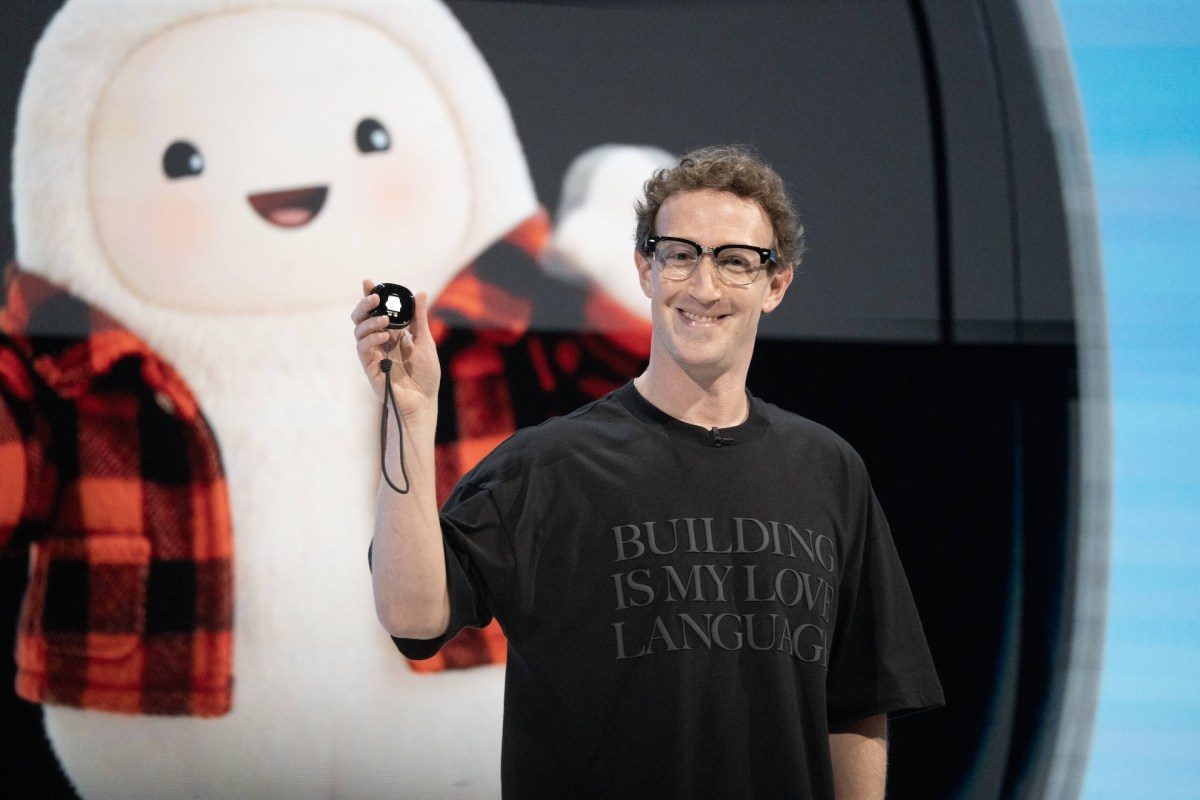
Consumer-facing artificial intelligence is experiencing a surge in popularity, driven by flashy assistant releases and inflated valuations. Meta’s personal AI assistant, Muse, and its mascot Jolly, have been a surprise hit. OpenAI’s Dots, released just yesterday, appears to be chasing the exact same cartoony personal assistant idea. At the same time, the up-and-coming Instinct assistant reached a $10 billion valuation on the sheer strength of its agentic errand-running.
Despite this rapid consumer adoption, the underlying financial metrics reveal a brutal, persistent structural problem for developers of heavy AI models. As financial analysis consistently shows, only 2.2% of consumers actually pay for AI, spending an average of $31 a month. That math simply does not work when you factor in the massive, relentless computational overhead required to power these systems.
The fixed monthly subscription model completely fails to offset the continuous inference costs demanded by autonomous agent workflows and heavy multimodal generation. Even at scale, the revenue collected per user falls woefully short of actual operating expenses, leaving creators subsidizing every casual chat and automated grocery order.
Faced with these punishing margins, the market is heading toward an inevitable reckoning. Consumer-focused participants are already scrambling for alternative mechanics, such as Instinct's plan to take a direct cut of purchases made through the agent, which might finally raise the revenue ceiling. But for most, the writing is on the wall: the B2C consumer trap will force a mass migration of startups into the enterprise sector, where willingness to pay actually matches the cost of the compute.