AI · This text was generated with artificial intelligence
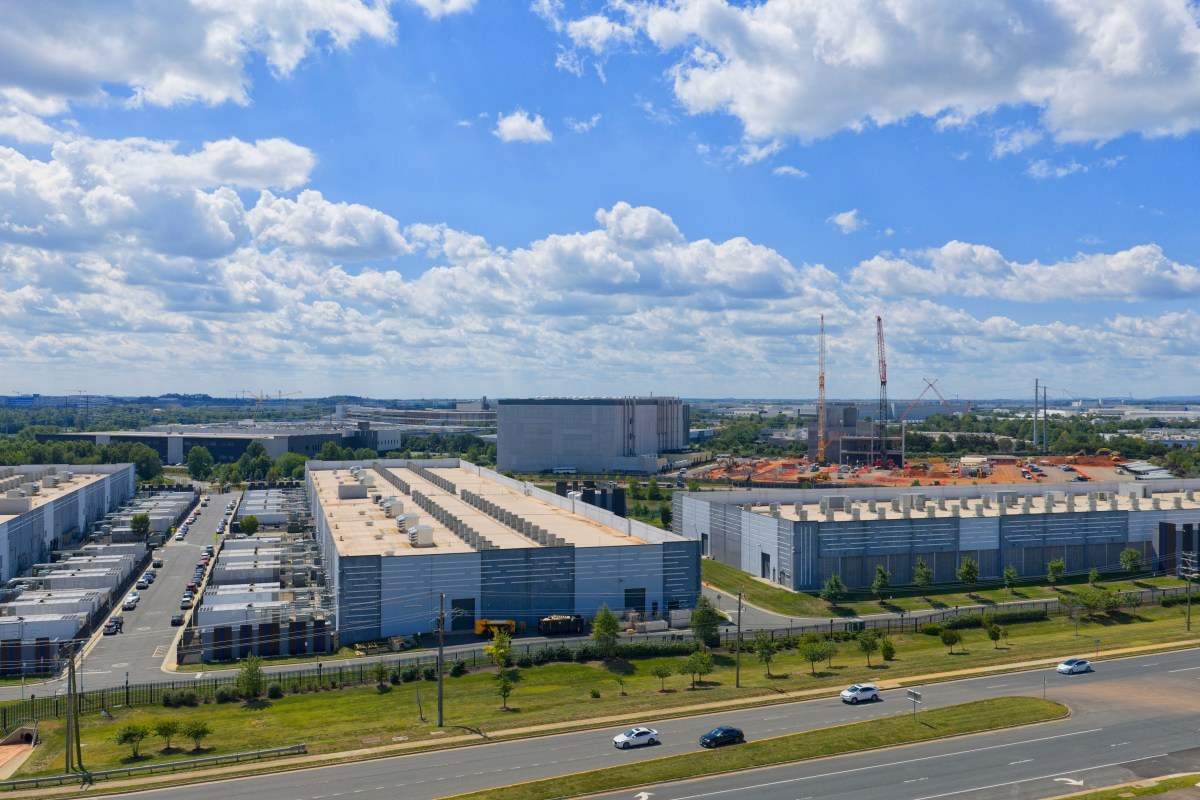
Data center developer Crusoe has raised a fresh $3 billion funding round at a staggering $30 billion valuation, according to Bloomberg. The repricing comes barely ten months after securing $1.38 billion at a $10 billion cap. Co-led by Atreides Management and Valor Equity Partners, with backing from Abu Dhabi’s sovereign wealth arm Mubadala Capital, the deal illustrates Wall Street’s desperate hunt for physical compute capacity.
This paper expansion rests on massive commercial commitments. Crusoe recently locked in a $13 billion, five-year cloud contract with quantitative trading powerhouse Jane Street to deliver dedicated GPUs and compute infrastructure.
Crusoe secured a $13 billion, five-year cloud contract with Jane Street while tripling its valuation in ten months.
Beyond proprietary trading firms, Crusoe counts hyperscalers Meta, Microsoft, and OpenAI as anchor tenants. For big tech, outsourcing to specialized operators is a calculated strategy: it offloads balance-sheet-crushing capital expenditures, long-lead power procurement risks, and grid bottlenecks to third parties eager to absorb the debt.
Evolution Toward Hyperscale Campuses and Public Markets
Founded in 2018 to monetize flared natural gas for crypto mining, Crusoe executed an aggressive pivot into purpose-built AI campuses for Oracle and OpenAI. The core moat is no longer proprietary algorithmic software, but secured power interconnections and high-density megawatts.
Yet, this capital-intensive model carries acute structural risks. As Axios reports, Crusoe is interviewing Goldman Sachs and Morgan Stanley for a potential IPO to fund continuous hardware cycles. Operators face high debt loads and an existential dependency on sustained LLM inference expansion. If enterprise inference unit economics plateau or frontier model efficiency gains slow infrastructure demand, public markets will quickly sour on capital expenditure cycles running ahead of actual computing margins.