The Trump administration’s Department of Transportation (DOT) is finally taking a wrench to the regulatory fossil that is the mandatory brake pedal. According to a proposal from the National Highway Traffic Safety Administration (NHTSA), the federal government aims to scrap requirements for manual controls in vehicles designed to be operated exclusively by automated driving systems. NHTSA Administrator Jonathan Morrison frames this shift as a necessity for the United States to maintain its lead, comparing the move to the industrial pivot triggered by the Model T. For years, the industry has been stuck in a regulatory purgatory, and the public now has a 30-day window to comment before the DOT potentially kills the pedal for good.
This isn't just about interior aesthetics; it’s about the brutal economics of scale. Under the current Federal Motor Vehicle Safety Standards (FMVSS), innovators like Zoox or Waymo have been forced to beg for specific exemptions just to put a steering-wheel-free pod on the road—often with pathetic caps on fleet size. By removing the brake-pedal mandate, the DOT is effectively dismantling the bottleneck that turned autonomous vehicle development into a slow-motion bureaucratic crawl. We are moving from a world of hybrid compromises to pure-play autonomous systems where the human is no longer a 'fallback' but a passenger.
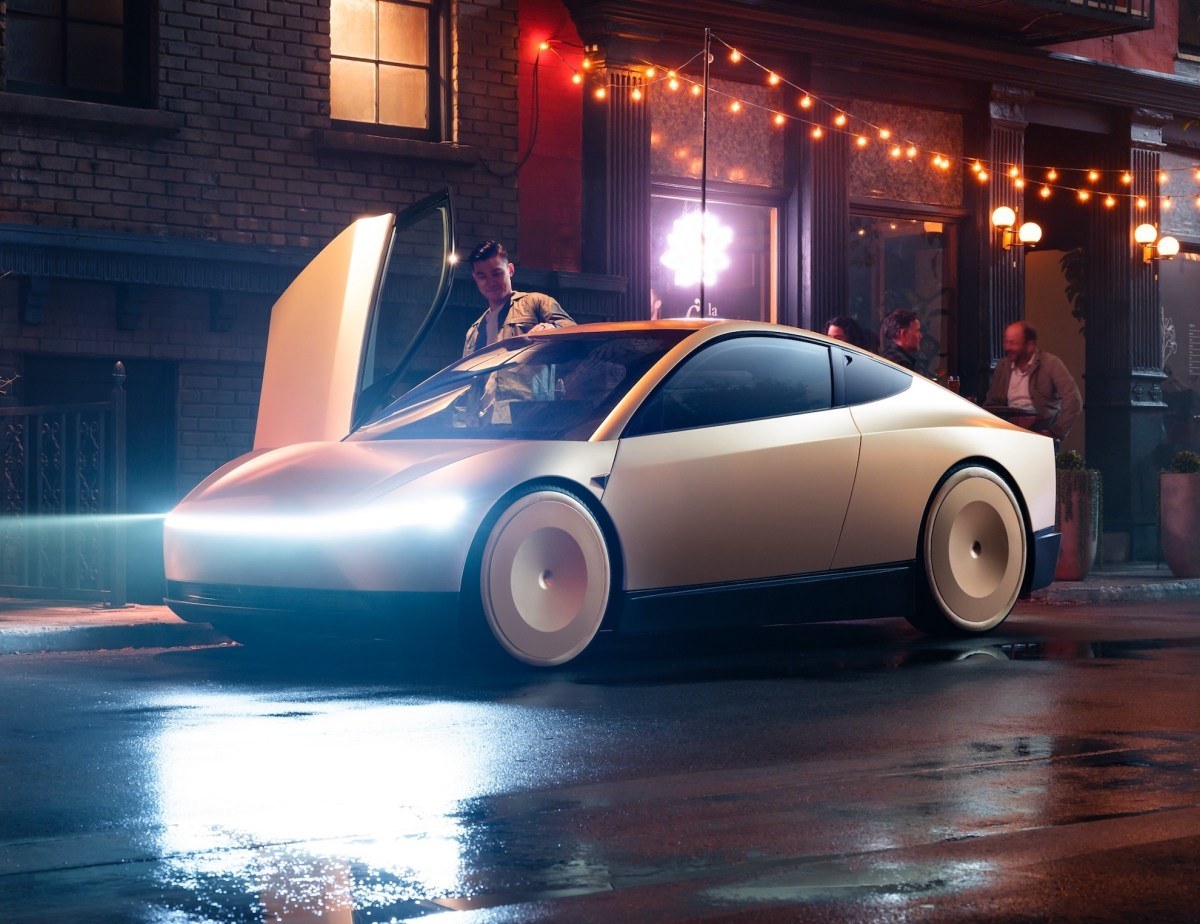
Tesla emerges as the clear winner in this policy shift. While competitors spent years filing paperwork for exemptions, Elon Musk doubled down on the Cybercab—a two-seater built without any manual overrides from day one. Musk’s high-stakes gamble on skipping the 'exemption phase' looks increasingly like a masterstroke now that the administration is tearing down the barriers he simply chose to ignore. For investors, this signals a transition from R&D vanity projects to the rapid deployment of high-efficiency, unsupervised robotaxi fleets. The era of the 'safety driver' is being regulated out of existence, replaced by a streamlined architecture that treats the brake pedal as what it has become: an expensive piece of redundant hardware.