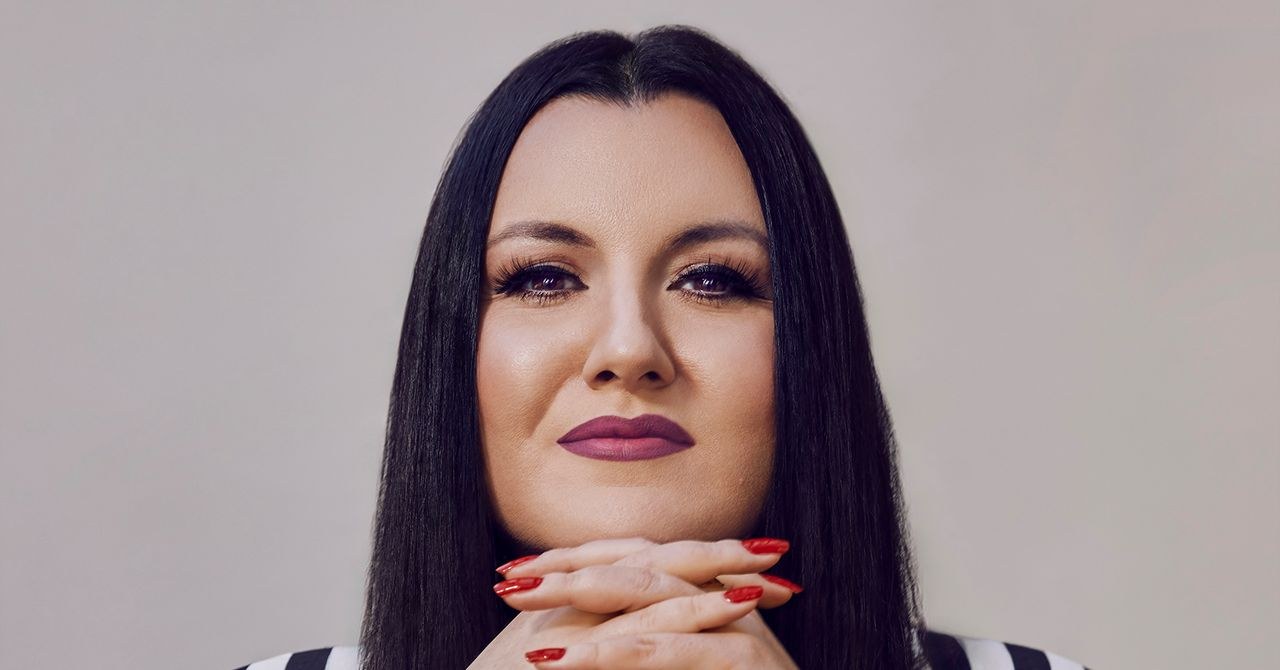
OpenAI is grappling with a grueling transition from a research lab to a commercial powerhouse, and the foundation is starting to crack. Fidji Simo, hired to build the company’s product vertical and business processes, is stepping down as Head of AGI Integration to take a part-time advisory role. Officially, Simo cites health concerns—specifically a neuroimmune disorder and Postural Orthostatic Tachycardia Syndrome (POTS). However, her departure leaves a strategic void just as OpenAI chases a $1 trillion valuation. The plan was pragmatic: Simo would handle the operational heavy lifting, freeing Sam Altman to play a global game of building data centers and hunting for endless investment. Now, that blueprint is falling apart.
Reshaping the Super-App
The loss of a heavyweight like Simo—the former CEO of Instacart and head of the Facebook app at Meta—forces OpenAI back into a state of manual micromanagement. To clear a path for its projected 2027 IPO, Altman has initiated a massive restructuring. Co-founder Greg Brockman has taken over product strategy, while Thibaud Sauvageon has been thrown into the line of fire to manage ChatGPT. From our perspective, this looks like an attempt to pivot away from an experimental "AGI-first" culture in favor of traditional corporate focus. The company is merging the teams behind ChatGPT, its AI browser, and coding agents into a single unit to create a unified "super-app."
"Throughout my time here, I delayed medical tests and therapy so I wouldn't miss a single day of work," Simo admitted to staff, indirectly confirming the toxic pace of the integration race.
This consolidation comes at a cost: speculative projects are being scrapped. OpenAI has already shelved ambitious but monetization-starved developments like Sora. The current strategy favors utility here and now over research curiosity. The launch of an agent within ChatGPT capable of interacting with local files and writing code is a bid to capture the professional market with tools previously locked within the Codex framework. By reimagining its desktop application, OpenAI is desperately trying to prove it can ship finished products, not just flashy social media demos.
The Infrastructure Shift
Despite cosmetic product updates, the primary challenge remains the balance between software and hardware. Brad Lightcap, the former COO, is now overseeing special projects, further diluting the team that built the company's commercial bedrock. Against a backdrop of astronomical investor expectations, OpenAI is diving deeper into infrastructure. The exit of Simo, who was meant to bridge the gap between the lab and market reality, underscores a hard truth: the AGI implementation phase is proving to be a much more difficult management challenge than its discovery.
Can OpenAI build a consumer super-app while its CEO is occupied with power grids and massive compute farms? It is a massive question that the market has yet to answer, relying for now on nothing but Altman’s charisma.