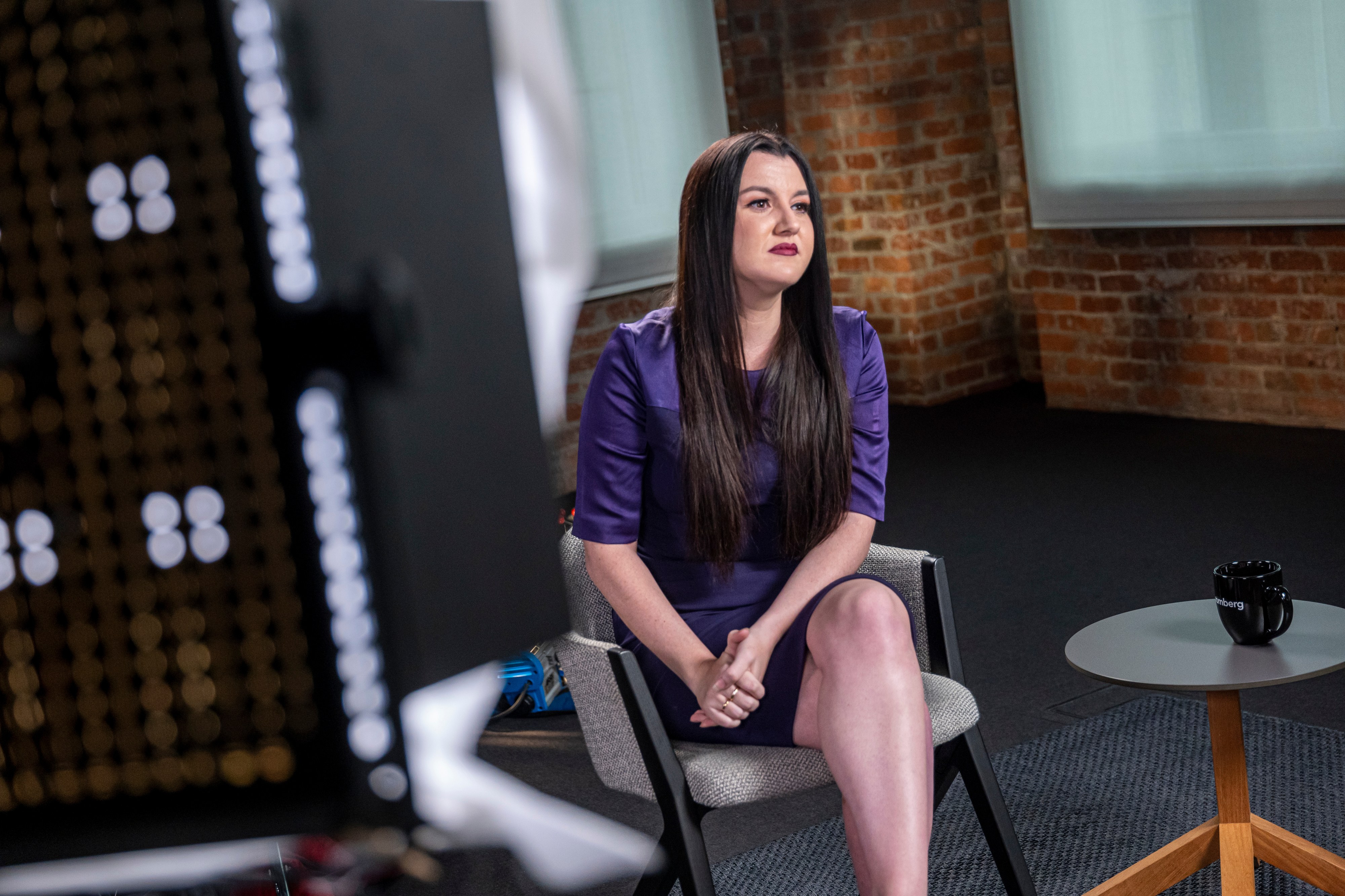
OpenAI, once perceived as a bastion of stability in the turbulent AI landscape, appears to be undergoing a significant leadership overhaul. The company's human resources department seems to be more active than its research and development division. Fidi Simo, a key ideologue behind OpenAI's vision for Artificial General Intelligence (AGI) and a driving force behind product development, including the ambitious "super app" initiative, has unexpectedly departed due to "health reasons." Her responsibilities, aimed at integrating AI into daily life as seamlessly as Netflix integrates into evening routines, are now distributed among President Greg Brockman and a team of top executives, encompassing functions from lobbying to corporate sales. This dispersal suggests a potential for bureaucratic paralysis, where strategic vision risks being lost in endless power-sharing discussions. This development raises questions about whether it marks the beginning of the end of an era where OpenAI consistently announced groundbreaking advancements.
This leadership transition is further complicated by the departure of CMO Kate Rush, who sought "balance," presumably between performance metrics and personal life, and Chief Operating Officer Brad Lightcap, who is now engaged in "special projects" with Sam Altman. Lightcap's former employees, who managed contracts, have been reassigned to the strategy department. Concurrently, OpenAI has postponed the launch of Sora, its text-to-video model, to apparently concentrate on enterprise clients and code generation—areas where competitors already offer solutions. This strategic shift appears to be a measure to address immediate financial pressures, temporarily sidelining more disruptive technological endeavors. In January, Communications Director Hannah Wong left the company, and the acquisition of the viral show TBPN for "constructive dialogue" seems less like a genuine strategic move and more like an attempt to divert attention from internal challenges. While Elana Vidman confidently reports on "excellent positioning" and "cutting-edge research," the operational reality suggests that development pace is now dictated by crisis management rather than forward-looking vision.
This series of personnel changes at OpenAI, particularly the exit of key figures responsible for product and strategy, puts the timeline for bringing new developments to market at risk. The delayed launch of Sora and the new focus on the enterprise segment are not strategic choices but alarming indicators of internal complexities and potential resource constraints in realizing ambitious plans. For businesses whose AI strategies are heavily reliant on OpenAI's roadmap, now is the opportune moment to audit risks and diversify their vendor base. Instead of placing all bets on a single, albeit prominent, player, it is advisable to explore open-source models or competitors demonstrating greater predictability and a willingness to partner, beyond just making bold announcements. The current turbulence within OpenAI necessitates a pragmatic reassessment of your AI ecosystem, prioritizing resilience and concrete delivery over speculative future capabilities.