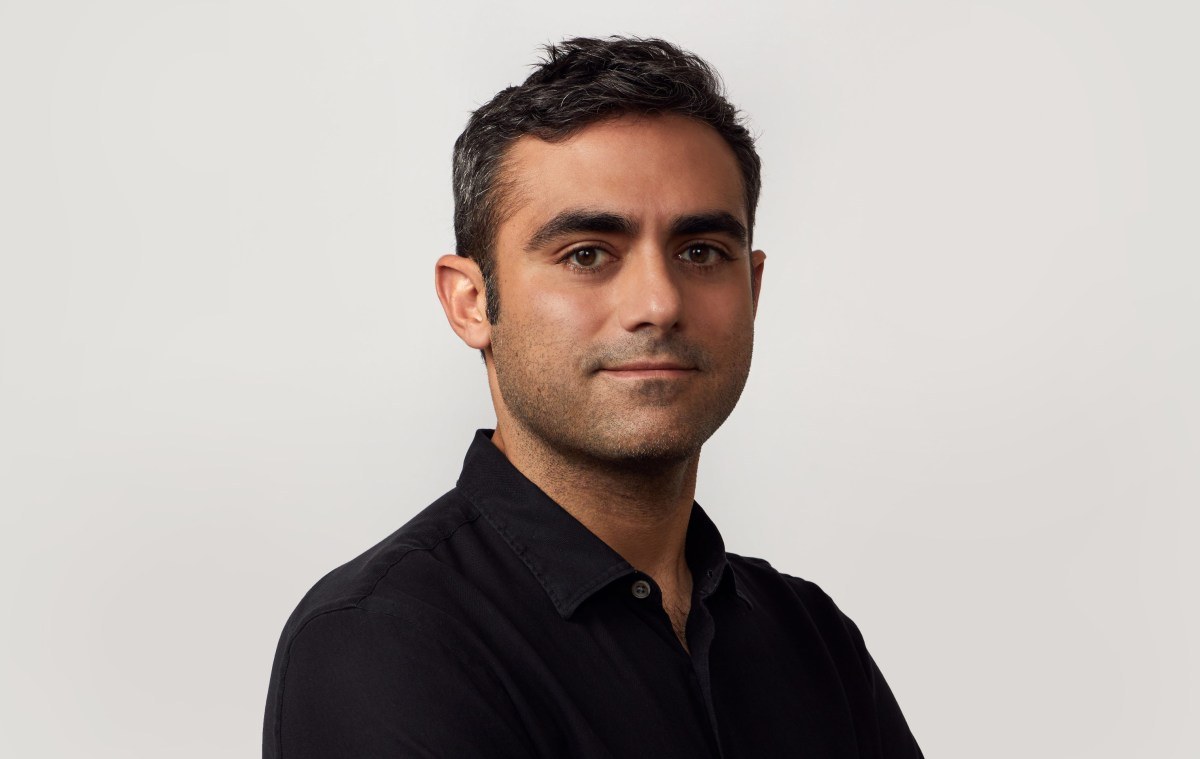
Biotechnology research has long hit a wall when testing candidate compounds on human tissue. Static cell cultures provide rough baselines, while animal models notoriously fail to translate to human biology. Maintaining intact, functional human biological samples ex vivo over extended observation windows has historically proved nearly impossible. Michael Polansky, CEO of Outer Biosciences, is tackling this preclinical blind spot by training predictive machine learning models directly on viable human skin maintained outside the organism.
Outer Biosciences is betting that dynamic, longitudinal data from living human tissue can finally displace guesswork in dermatology R&D and biodesign.
Sustaining Living Tissue for Machine Learning Datasets
Rather than relying on static computational simulations or non-human proxies, Outer Biosciences feeds its models with continuous data streams extracted from functional human skin. The team engineered proprietary perfusion and culture methods that keep human skin tissue alive ex vivo for more than a month under laboratory conditions.
"Outer Biosciences has spent years figuring out how to keep living human tissue alive outside the body — for over a month, so far — without anyone outside the company knowing."
Sustained biological viability allows researchers to track cellular, proteomic, and molecular dynamics over weeks rather than hours. Capturing time-resolved biological data from living samples enables predictive models to map drug responses, toxicity profiles, and tissue degradation with significantly higher fidelity than legacy assays.
Computational Roots and Commercial Overlaps
Polansky’s pathway into life sciences combines quantitative modeling and venture capital. After studying applied mathematics and computer science at Harvard, he worked at Bridgewater Associates and Founders Fund before serving as executive director of the Parker Institute for Cancer Immunotherapy—an experience that highlighted systemic bottlenecks in preclinical validation.
Beyond tech and venture circles, Polansky is also the creative and business partner to Stefani Germanotta (Lady Gaga), providing distinct commercial crossroads for consumer-facing biodesign and therapeutics.
For the pharmaceutical sector, training models on real-time biological datasets promises to compress preclinical screening timelines and reduce animal testing. However, the commercial hurdles remain steep: sourcing ethically compliant, viable human biomaterials at scale is an operational bottleneck, and regulators will demand rigorous clinical validation before accepting ex vivo AI predictions over conventional pipelines.