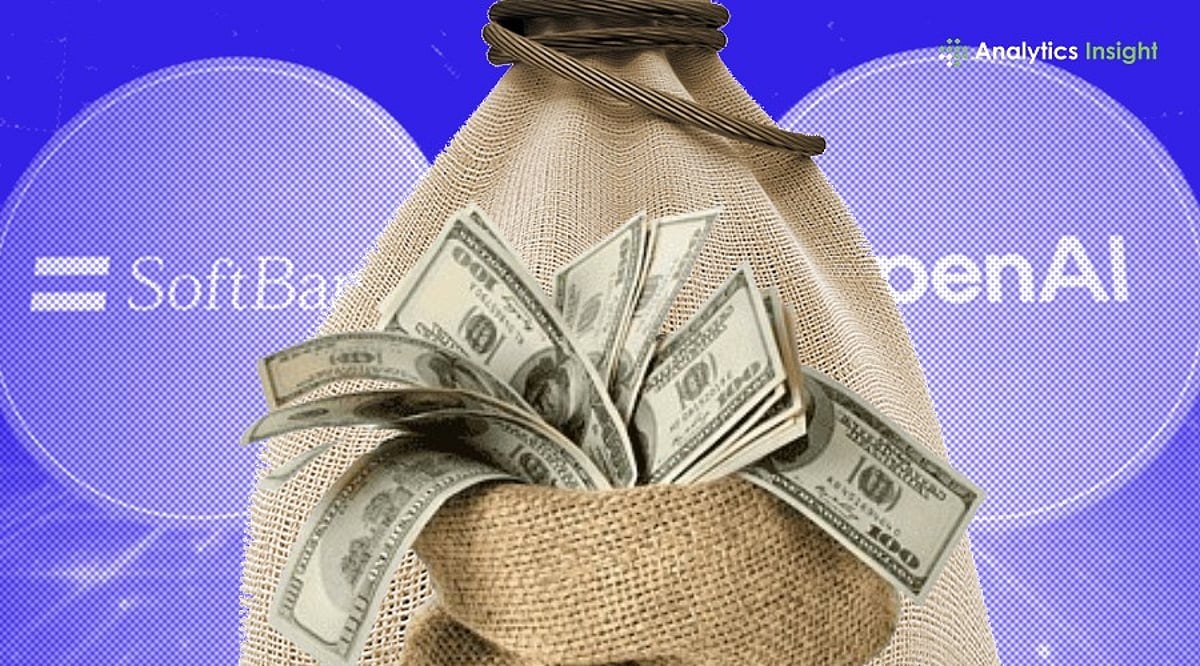
Masayoshi Son is going all-in once again, leveraging SoftBank’s balance sheet for an aggressive play in the artificial intelligence market. According to Bloomberg, the Japanese conglomerate intends to secure a $10 billion margin loan backed by its stake in OpenAI. Rather than booking profits and exiting the asset, Son is transforming shares in the ChatGPT creator into a massive credit line. This maneuver allows the company to maintain its equity presence in Sam Altman’s startup while simultaneously unlocking cash for new projects without waiting for an IPO.
Analysts suggest that in this scheme, OpenAI serves primarily as financial leverage to realize Son’s global ambitions: building a closed technological ecosystem that integrates ARM processors, robotics, and AI software models. The loan term is expected to be approximately two years with an option to extend, effectively placing a bet on the perpetual growth of Silicon Valley’s private valuations. For SoftBank, this is a way to maintain its position in the tech arms race without depleting free cash reserves, which are becoming increasingly scarce amid large-scale expansion.
However, this liquidity strategy is walking a fine line. As noted by Analytics Insight, the nature of margin lending directly ties SoftBank’s stability to the shifting moods of the venture capital market. If OpenAI’s valuation undergoes a downward correction or if its pace of capitalization slows, lenders will immediately demand additional collateral. In a worst-case scenario, this threatens a “domino effect” and the emergency sell-off of assets to cover margin calls. Essentially, Son is making a wager: within two years, the AI sector must grow sufficiently to cover debt service costs and justify the risks taken.
The shift toward high financial leverage in the AI sector is a troubling yet significant signal. Major institutional players are proving willing to tolerate volatility and the threat of losing control over assets just to keep pace with development. From our perspective, this looks less like a confident calculation and more like a forced measure: when direct investments become too expensive, complex debt instruments come into play. For Masayoshi Son, a stake in OpenAI today is more valuable as a revolving credit line than as a tangible asset—a clear indicator of the overheated expectations currently gripping the industry.