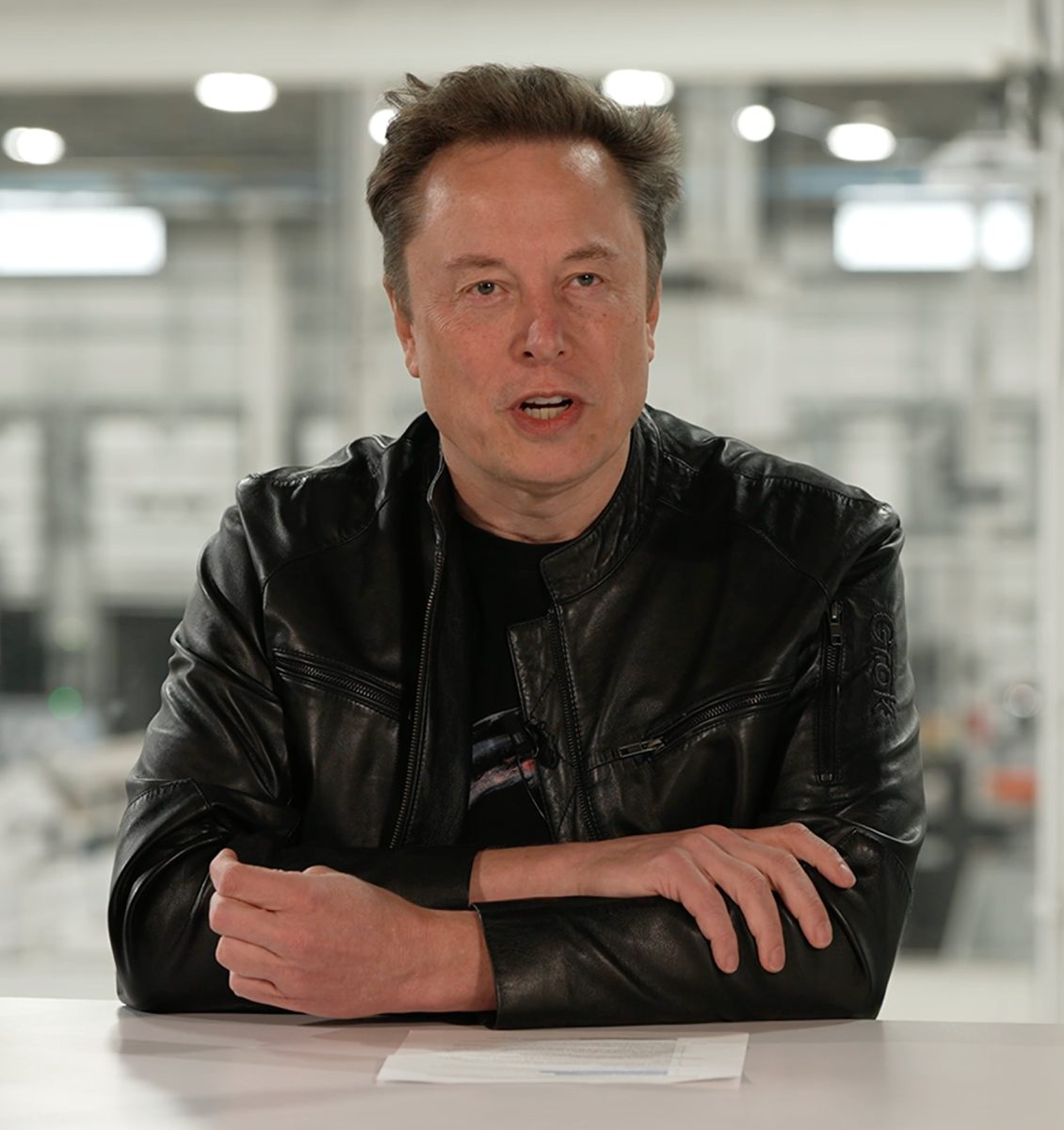
SpaceX reported $14.6 billion in third-quarter revenue according to its regulatory filing. That top-line result left the company's traditional space roots behind as machine learning infrastructure took over the business. The newly renamed “Super Intelligence” business line generated $7.5 billion in revenue during the period. This segment combines the recently acquired Cursor coding tool, the Grok bot, and the company’s burgeoning neocloud business, which now boasts 1.7 GW of compute.
The AI business generated $431 million in profit during the third quarter. That operating income would have been higher without $1.2 billion in one-time stock-based compensation expenses related to the Cursor acquisition. Meanwhile, total capital expenditures reached $19.6 billion as the company continues to build out a second data center project, Colossus II, and increase investment in the Starship heavy-lift rocket.
Engineering Infrastructure and Capital Pressures
As Elon Musk noted, the primary bottleneck in deploying machine learning models is physical rather than digital. “People are starting to realize [that] the constraint on deployment of super intelligence is more in power and cooling and infrastructure than it is in chips,” Musk argued, describing how the company deployed a team of SpaceX engineers to solve that problem. The infrastructure buildout requires massive capital outlays, with CFO Bret Johnsen stating that the company would spend $35 billion to $40 billion on new capital investments in the fourth quarter.
“This is a bit like the New York Yankees playing in Little League. It’s not fair, but the net result is being able to deploy power cooling infrastructure at a rate that is vastly faster than anyone else.” — Elon Musk
These physical bottlenecks extend to the supply chain for power generation equipment. Manufacturers of turbines to power data centers face 12 to 18 month delays in obtaining the required metal blades and vanes. To bypass these delays, SpaceX utilizes the metal casting capabilities developed for its rocket programs to manufacture those turbine components internally.
Profitability Turnaround and Future Scale
The revenue boost from machine learning operations and other segments pushed the company back into profitability. SpaceX reported net income of $4.4 billion in the third quarter, marking a turnaround from the $1 billion loss recorded in the same period last year. The Starlink space internet network also grew to reach 13.6 million consumers, with leadership predicting that the proliferation of autonomous systems will drive further demand for connectivity.
Despite quarterly gains, the company maintains a net income loss of $413 million for the first nine months of the year. Looking ahead, leadership targets aggressive financial expansion. Elon Musk predicted that the company’s annual recurring revenue by the end of 2027 will reach between $500 billion and $1 trillion. CFO Bret Johnsen forecast total revenue for the first quarter of 2027 in the range of $33 billion to $37 billion.
Can a heavy capital expenditure cycle of up to $40 billion per quarter sustain a path to a trillion-dollar recurring revenue run rate without hitting structural credit limits?