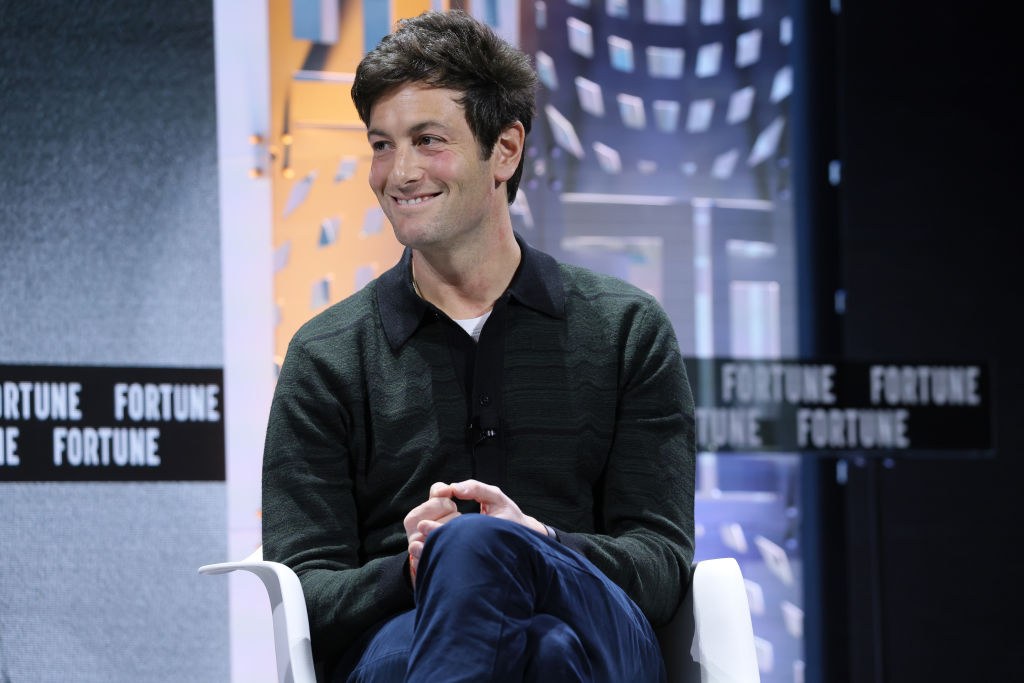
Silicon Valley venture funds risk misallocating unprecedented amounts of capital by chasing minor model upgrades instead of building viable business models. In Thrive Capital's first-ever investor letter, obtained by Bloomberg, founder Joshua Kushner cautioned that market frenzy must not erode core underwriting discipline. Kushner observed that West Coast firms too often fixate on hyperincremental technological turns rather than evaluating where artificial intelligence delivers durable economic value.
Unlike the classic Silicon Valley playbook that relies on broad "spray-and-pray" outlier strategies popularized by the likes of Marc Andreessen, Thrive concentrates roughly 90% of its capital into just 15 core portfolio companies per fund. The thesis assumes that enterprise value will be captured by transforming legacy operating models from the inside out, rather than subsidizing a sea of undifferentiated wrapper startups.
To execute this, Thrive's dedicated holding vehicle embeds operational teams directly alongside OpenAI tooling to automate real-world enterprise workflows. For corporate executives and allocators, the takeaway is unambiguous: evaluate AI initiatives by measurable unit economics, resolution speed, and operational margin expansion rather than burning balance sheets on inflated infrastructure rounds.