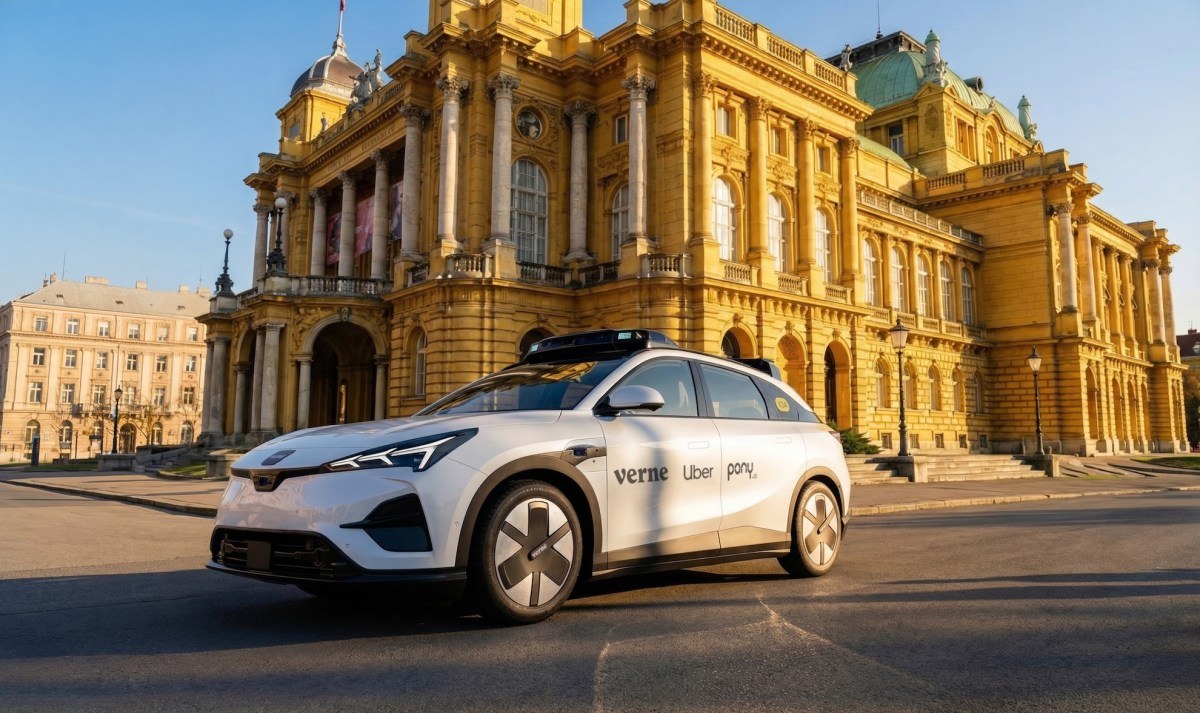
Uber and Guangzhou-based autonomous vehicle developer Pony.ai are scaling their partnership with a target of deploying 2,000 robotaxis across four European cities. Reported by Kirsten Korosec for TechCrunch, the move is less about experimental fleet testing and more about proving the aggregator model’s commercial viability against vertically integrated rivals like Waymo. Having struck deals with over 30 AV developers, Uber is systematically converting its ride-hailing demand engine into the de facto operating system for autonomous mobility.
The commercial architecture hinges on an asset-light joint deployment model. Pony.ai supplies the autonomous software and hardware stack, while Uber provides the customer acquisition network and dispatch routing—sparing the Chinese developer the brutal overhead of building an independent consumer app from scratch. Local third-party fleet operators will absorb vehicle maintenance, cleaning, and depot charging, while traditional European automakers increasingly face the risk of being relegated to low-margin hardware suppliers.
The Guangzhou, China-based company will supply the autonomous vehicle technology, while Uber will provide its vast ride-hailing platform.
Scaling Across International Markets
Pony.ai brings mature operational backing from four Chinese tier-one cities and has aggressively courted cross-border transit authorities, including recent expansions into Qatar. The Uber alliance, initially formed in May 2024 to target the Middle East, is now making a calculated pivot into Europe.
The duo first established a European beachhead by backing a planned rollout in Zagreb with Croatian mobility brand Verne. Scaling to 2,000 commercial robotaxis across four major metropolitan centers represents a massive operational leap, yet critical friction points remain. Deploying a Chinese autonomous stack within the European Union means navigating strict data sovereignty frameworks, municipal safety certifications, and tight autonomous licensing standards.
While Uber and Pony.ai have left specific city targets and timelines undisclosed, the ultimate hurdle is not fleet production—it is whether European regulators will clear Chinese algorithmic infrastructure to operate at scale on municipal roads.