AI · This text was generated with artificial intelligence
Waymo ends partnership with Uber to reclaim its margins
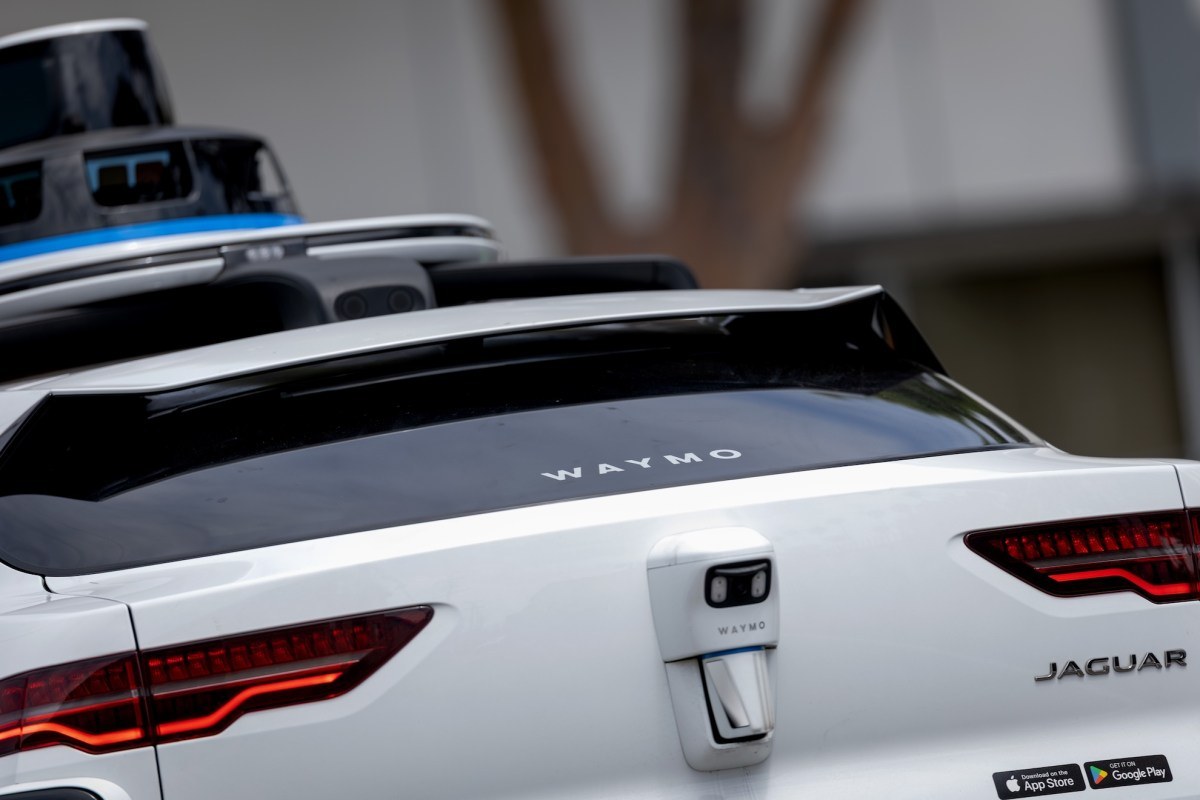
Alphabet is no longer willing to share its margins with Uber. Its subsidiary, Waymo, plans to terminate its partnerships in Austin and Atlanta to transition all passengers to its own app by 2028. According to the Financial Times and TechCrunch, Waymo has already notified Uber of its intent to operate robotaxis on its proprietary platform starting in January 2028. Although the current contract officially runs through May, Alphabet is signaling that it no longer needs the support of third-party aggregators.
This divorce is not a spontaneous move but a logical extension of a strategy already proven in Phoenix, where the two companies have already parted ways. Public rhetoric from both sides only confirms the depth of the rift.
Uber CTO Praveen Neppalli did not hold back, posting a video where he described Waymo’s maneuvers as "scary," while Uber CEO Dara Khosrowshahi criticized the performance of autonomous vehicles in school zones and during encounters with emergency services during an investor call.
Behind these verbal jabs lies a fierce conflict of interest: the companies now find themselves on opposite sides of the barricades when it comes to lobbying for autonomous vehicle regulations.
The logic behind Alphabet's strategy shift
For Alphabet, the reasoning is purely pragmatic: once a technology reaches market maturity, an intermediary shifts from a partner to a liability. Owning the entire value chain—from software to the end-user interface—allows Waymo to maintain total control over data and capture every cent of operational profit.
Waymo will completely phase out third-party aggregators by 2028. Direct control over user data has become a top priority for Alphabet. Conflicting interests in regulatory lobbying accelerated the breakdown of the relationship.
This is a clear signal to the entire transportation industry: alliances between tech providers and aggregators are merely temporary bridges, not long-term strategies. When a product is ready to scale, the owner of the hardware and the intelligence has no reason to pay a commission to a platform that provides nothing more than an icon on a smartphone screen. The era of outsourcing distribution in the robotaxi sector is ending, giving way to closed ecosystems.